Skip to cookie privacy notice
Skip to main content
العربية
简中
繁中
English
Français
Deutsch
日本語
Português
Русский
Español
More
languages
Search
Donate Now
Countries
Topics
Reports
Videos & Photos
Impact
About
Join Us
Give Now
Close
Search
Search
Primary navigation
Countries
Africa
All Africa
African Union
Angola
Burkina Faso
Burundi
Cameroon
Central African Republic
Chad
Côte d'Ivoire
Democratic Republic of Congo
Equatorial Guinea
Eritrea
Eswatini (formerly Swaziland)
Ethiopia
Gambia
Ghana
Guinea
Kenya
Liberia
Malawi
Mali
Mauritius
Mozambique
Niger
Nigeria
Rwanda
Senegal
Sierra Leone
Somalia
South Africa
South Sudan
Sudan
Tanzania
Uganda
Zambia
Zimbabwe
Americas
All Americas
Argentina
Bolivia
Brazil
Canada
Chile
Colombia
Costa Rica
Cuba
Dominican Republic
Ecuador
El Salvador
Guatemala
Haiti
Honduras
Jamaica
Mexico
Nicaragua
Panama
Paraguay
Peru
Uruguay
Venezuela
Asia
All Asia
Afghanistan
Australia
Bangladesh
Bhutan
Brunei
Cambodia
China and Tibet
Fiji
India
Indonesia
Japan
Laos
Malaysia
Maldives
Myanmar (Burma)
Nauru
Nepal
North Korea
Pakistan
Papua New Guinea
Philippines
Singapore
South Korea
Sri Lanka
Taiwan
Thailand
Timor-Leste
Vietnam
Europe/Central Asia
All Europe/Central Asia
Albania
Armenia
Azerbaijan
Belarus
Belgium
Bosnia and Herzegovina
Bulgaria
Croatia
Czech Republic
Denmark
European Union
France
Georgia
Germany
Greece
Holy See
Hungary
Ireland
Italy
Kazakhstan
Kyrgyzstan
Latvia
Lithuania
Netherlands
Norway
Poland
Portugal
Romania
Russia
Serbia/Kosovo
Spain
Sweden
Switzerland
Tajikistan
Türkiye
Turkmenistan
Ukraine
United Kingdom
Uzbekistan
Middle East/North Africa
All Middle East/North Africa
Algeria
Bahrain
Egypt
Iran
Iraq
Israel/Palestine
Jordan
Kuwait
Lebanon
Libya
Mauritania
Morocco/Western Sahara
Oman
Qatar
Saudi Arabia
Syria
Tunisia
United Arab Emirates
Yemen
United States
All United States
Criminal Justice
Democracy
Economic Justice
Immigrants’ Rights and Border Policy
Racial Justice
US Foreign Policy
Topics
Arms
Cluster Munitions
Killer Robots
Landmines
Explosive Weapons in Populated Areas
Incendiary Weapons
Children's Rights
Education
Attacks on Education
Children Separated from Families
Children and Armed Conflict
Child Labor
Youth Justice
Migrant and Refugee Children
Intersex Children
Crisis and Conflict
Disability Rights
Shackling
Economic Justice and Rights
Corporate Accountability
Poverty and Inequality
Environment and Human Rights
Climate Change
Deforestation
Fossil Fuels
Free Speech
Press Freedom
Religious Freedom
Health
Sexual and Reproductive Health
Detention Centers
Disasters and Displaced Populations
Environment and Health
Health Care Access
HIV/AIDS and Tuberculosis
Palliative Care
Attacks on Health
LGBT Rights
Refugees and Migrants
Asylum Seekers
Internally Displaced People
Exploitation, Forced Labor & Trafficking
Rights of Older People
International Justice
International Criminal Court
Peace and Justice
Sport and Human Rights
Technology and Rights
Digital Investigations Lab
Terrorism / Counterterrorism
CIA Activities
Detention without Trial
Edward Snowden
Guantanamo
Guantanamo - Military Commissions
Targeted Killings and Drones
Torture
United Nations
Human Rights Council
Women's Rights
Forced Marriage
Gender Based Violence
Domestic Workers
Gender Equality
Reproductive Rights
Sexual Violence
Labor Rights
Sex Work
Women and Armed Conflict
Women’s Health
Reports
Video & Photos
Impact
Join Us
Newsletters
Our Committees
Film Festival
Legacies for Justice
About
About Us
History
Newsletters
Careers
People
Board of Directors
Advisory Committees
Social Media
Human Rights Education
Partners
Partner Resources
Financials and Fundraising Policy
Accessibility
Contact
Give Now
Make a One-time Gift
Give Monthly
Gifts in Wills and Trusts
Matching Gifts
Partners for Justice
Stock or Wire Transfer
Give from Your IRA
Search
Search
English
Choose your language
Close
العربية
简中
繁中
English
Français
Deutsch
日本語
Português
Русский
Español
Donate Now
Open the main menu
Trending
Russia-Ukraine War
Israel/Palestine
Trump Administration and Human Rights
Crisis in the Middle East
International Criminal Court
May 23, 2013
Mozambique: Protect the Rights of Farmers Resettled for Coal Mines
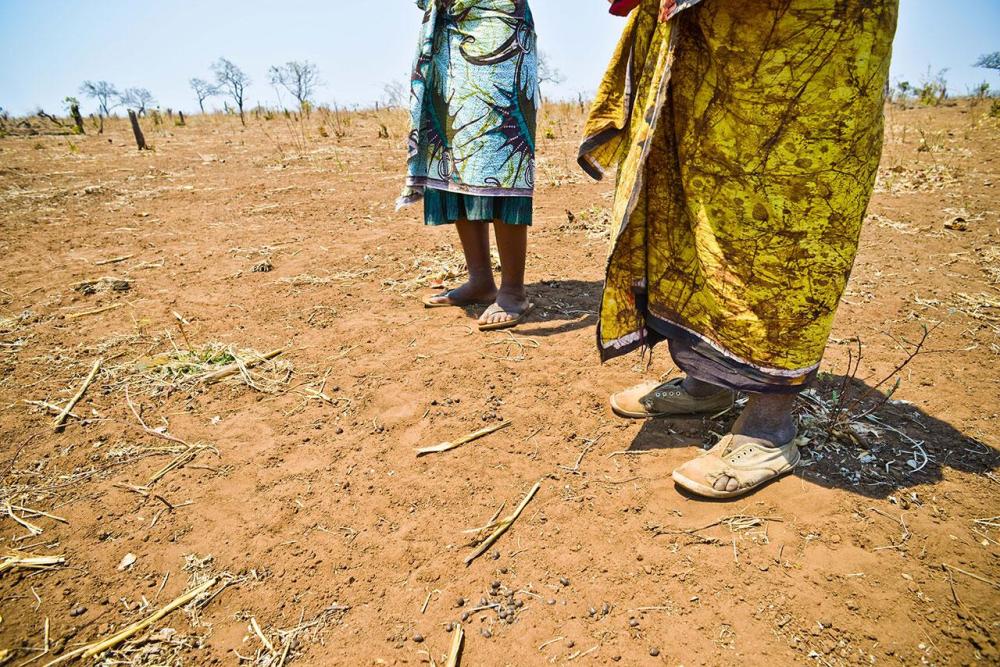
Female farmers resettled to Mwaladzi by the Mozambican government and international mining company Rio Tinto received land with poor access to water and limited productivity. © 2013 Samer Muscati/Human Rights Watch 392562
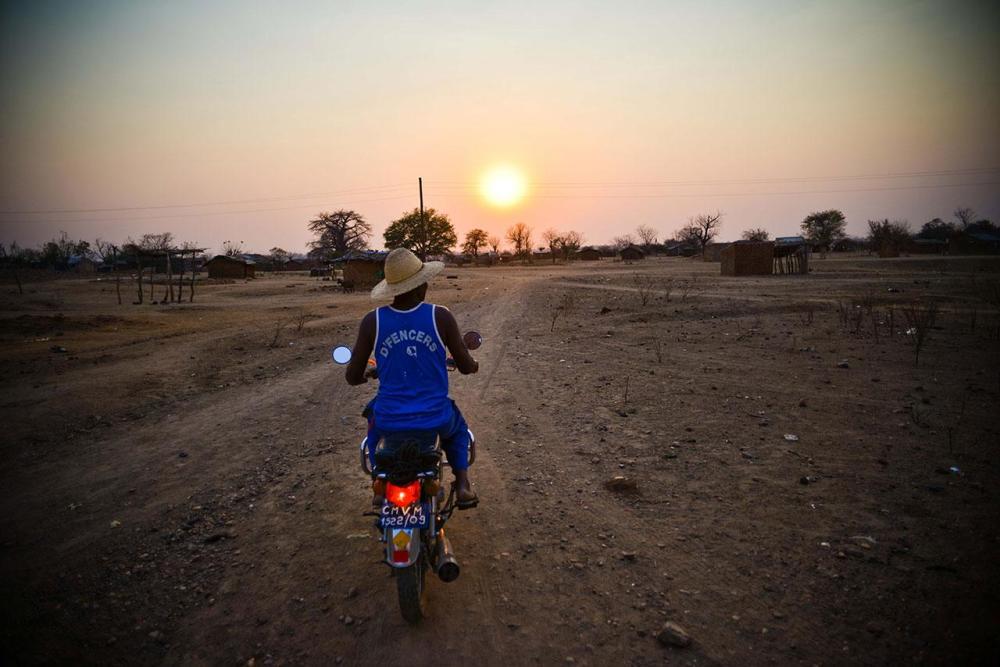
Ernesto M. riding his motorbike at dusk from his home in Capanga, where he has lived for 35 years. Some of his neighbors were resettled a year earlier but he does not know when his family will move. Lack of information about changes to the resettlement schedule has led to uncertainty about investing in critical house repairs or working on his current farm. “They told us we would move this month, but until now, I have not received any information. I am worried, I haven’t repaired the roof, if the rain starts, my situation will be bad.” © 2013 Samer Muscati/Human Rights Watch 392562
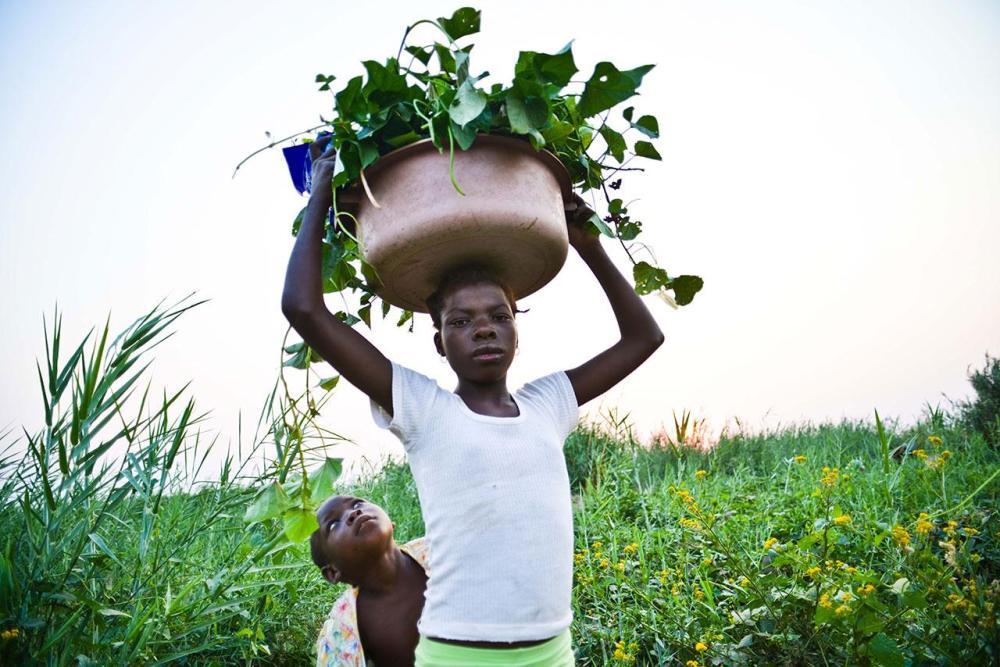
Atilia M. and her son harvest vegetables in a plot along the Revuboë river near their village, Capanga, before resettlement. They grow onions, tomatoes, sweet potatoes, and other vegetables. Households already resettled in Mwaladzi do not have access to a river and have struggled to farm staple crops or vegetables in their new location. © 2013 Samer Muscati/Human Rights Watch 392562
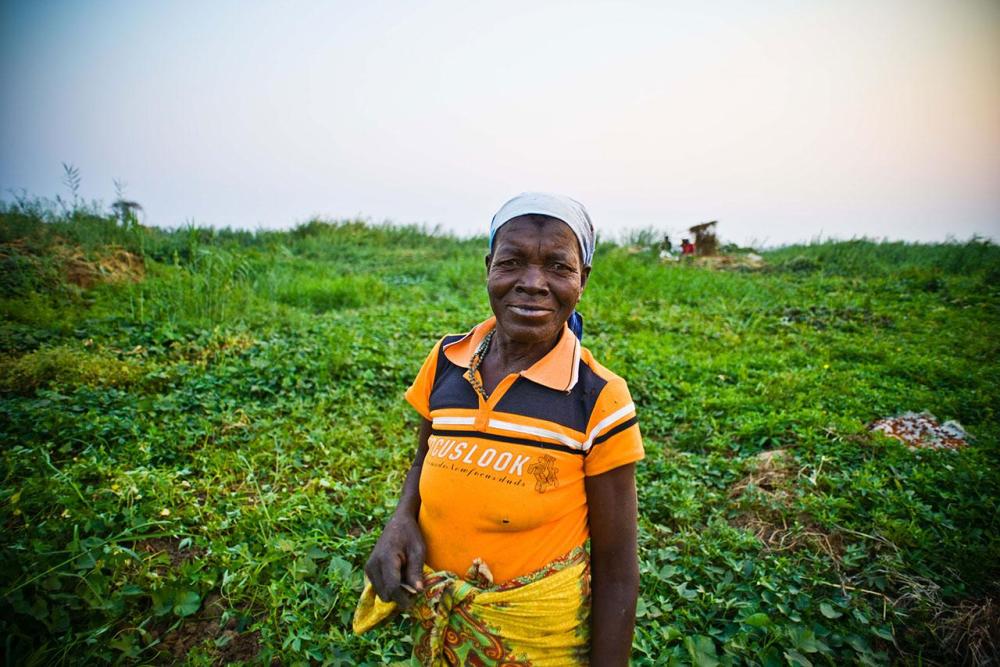
Zos B. harvests a variety of vegetables near the naturally irrigated soil on the banks of the Revuboë river. She and her neighbors said they depend on the river for watering livestock and successful agriculture and are worried about resettlement to Mwaladzi, which has no river nearby. © 2013 Samer Muscati/Human Rights Watch 392562
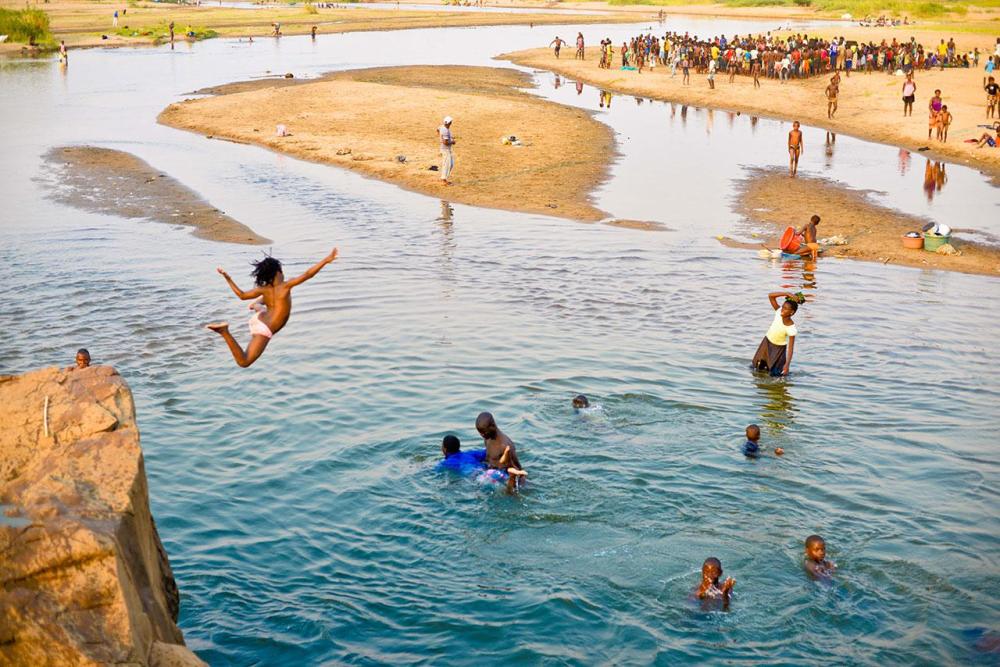
Children swimming in the Revuboë river. Prior to their resettlement, many residents relied on their proximity to the river not only for agriculture, but also to bathe, wash their clothes, and socialize. Ana Maria B., a woman about to be resettled to the Rio Tinto resettlement village Mwaladzi, said, “Since I was born, I have taken baths here in the river. I have washed my clothes here…. Even my children have grown up here in this river. They know how to swim. Where we are going we will be given water in small containers. I’m not used to that kind of thing.” © 2013 Samer Muscati/Human Rights Watch 392562
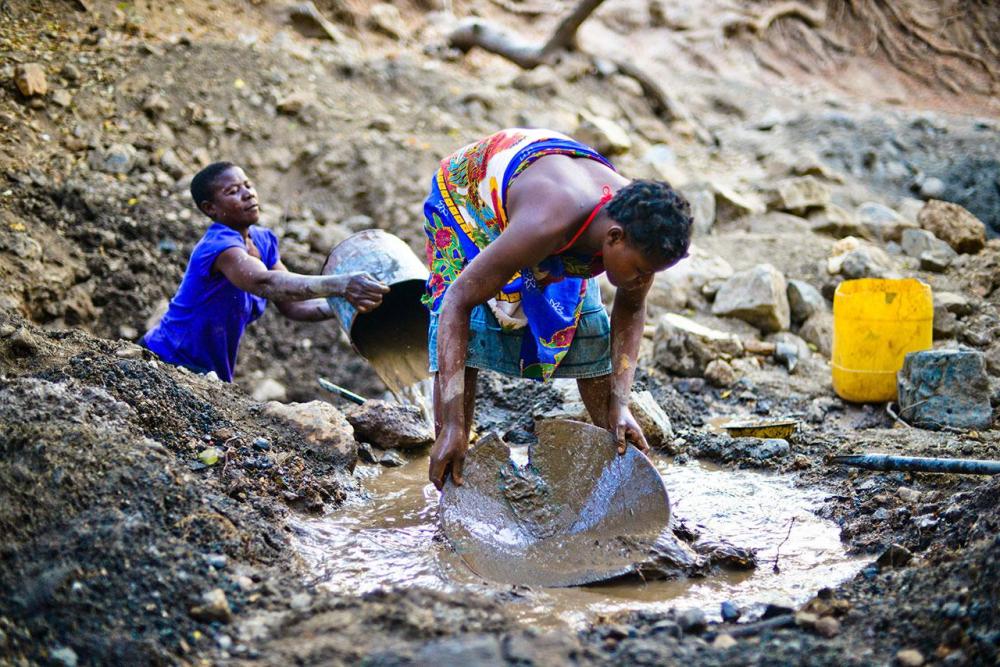
Women panning for gold in Cassoca, a village earmarked for resettlement to make way for Jindal Africa’s mining operations. All of the residents of Cassoca that Human Rights Watch interviewed said they currently supplemented their income by panning for gold and selling fruit. © 2013 Samer Muscati/Human Rights Watch 392562
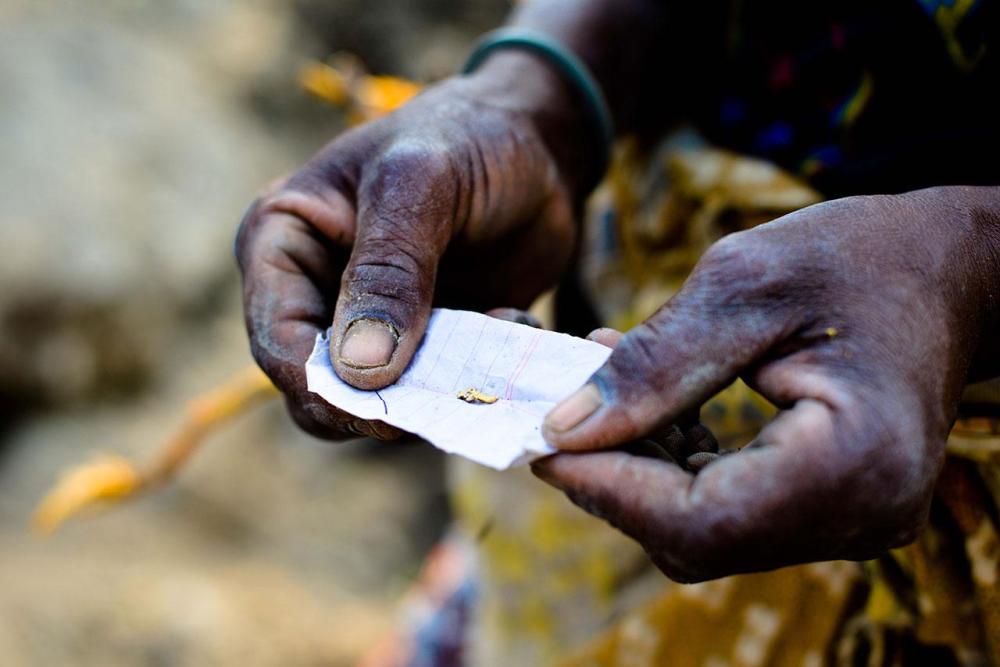
A woman from Cassoca shows a gold nugget panned that day by a member of her family that would earn enough income to cover a month’s expenses. Residents from Cassoca expressed concern that once they are relocated, they would lose access to gold panning, which is an important source of secondary income for the community. © 2013 Samer Muscati/Human Rights Watch 392562
Matilde, J., a mother of three young children from Cassoca, said, “I think we will suffer. We are moving to a place with no gold. We are going against our wishes.” © 2013 Samer Muscati/Human Rights Watch 392562
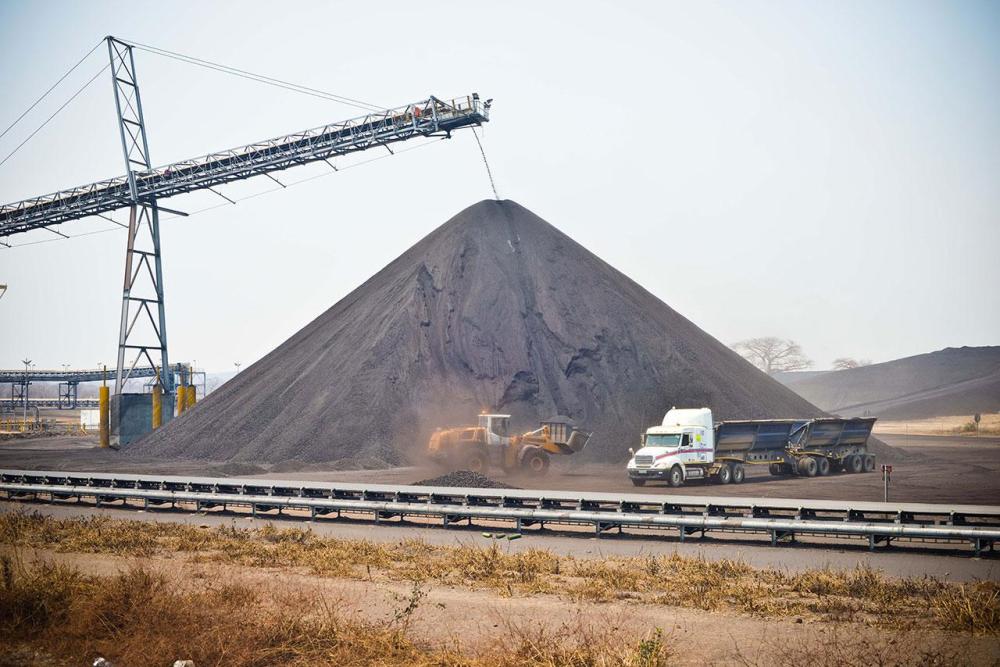
Rio Tinto’s “Benga” coal mining operation in Tete province in central Mozambique. Arid, coal-rich Tete has been at the epicenter of a coal mining boom that has attracted billions of dollars in foreign investment. Without adequate safeguards, this surge also poses grave risks to human rights. © 2013 Samer Muscati/Human Rights Watch 392562
A railway track used to transport Vale’s shipments of coal from their mine in Moatize to the port in Beira. On January 10, 2012, about 500 people staged a demonstration and blocked the railway. Deeply frustrated and anxious about their living conditions since resettlement in 2010, residents of Cateme protested to Vale and local government officials demanding a response to their concerns about land, houses, water, transport, and job opportunities. © 2013 Samer Muscati/Human Rights Watch 392562
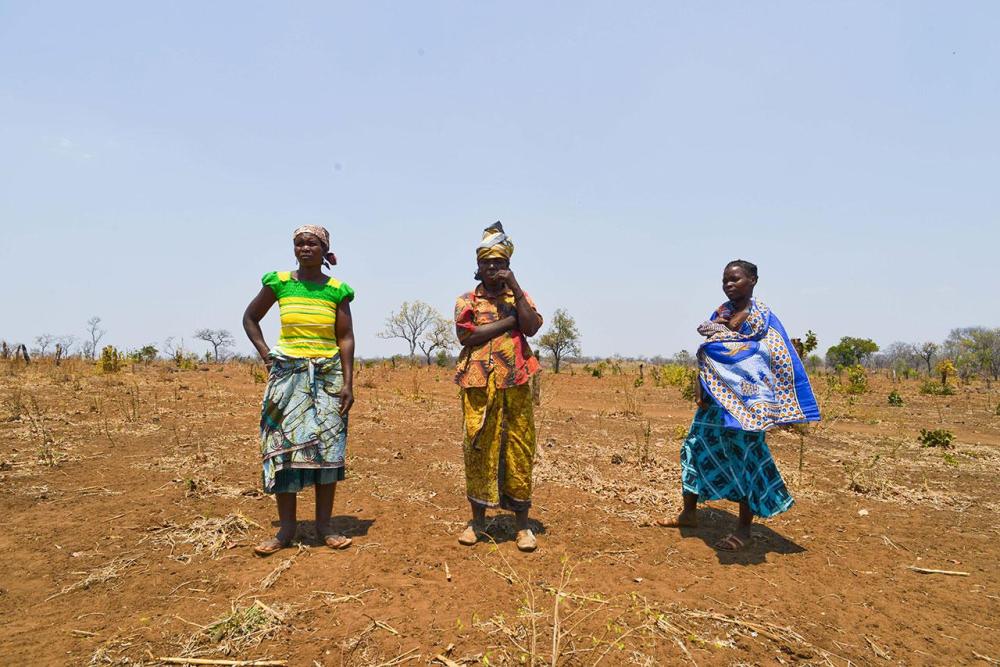
Female farmers on a barren agricultural plot in Mwaladzi. Resettlement to an area with limited water supply and poor agricultural productivity has led farmers who once produced most of their own food to become dependent on food assistance programs. Erica D. (middle) said, “Look at this soil. Do you think this is soil where people can grow something? Just look at these dried plants. Do you think that maize can come from these small plants? They don’t grow here.” © 2013 Samer Muscati/Human Rights Watch 392562
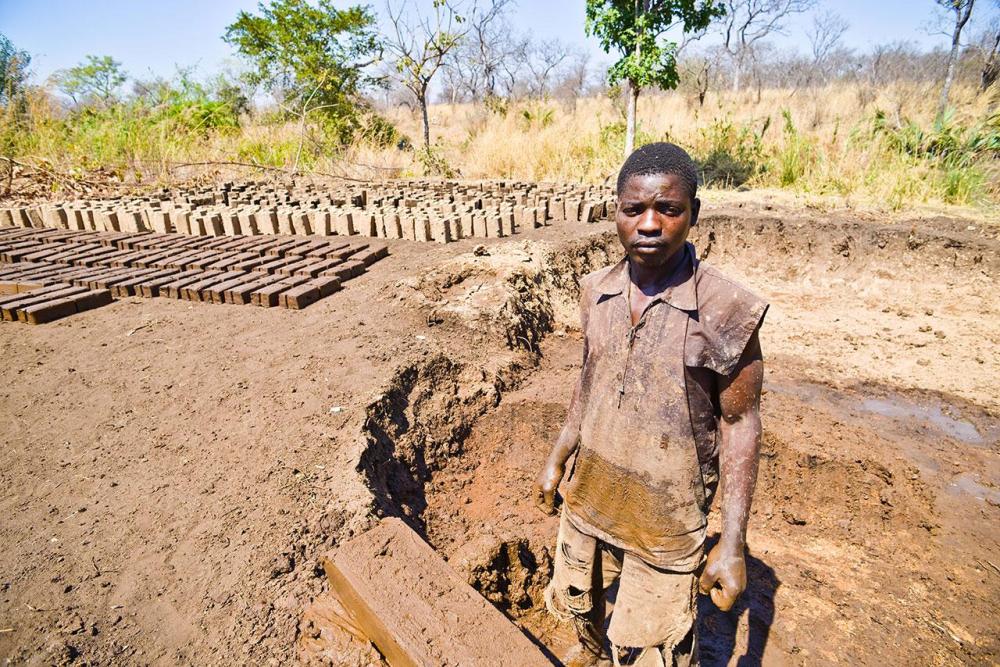
Joia B., 27, making bricks in Mwaladzi in exchange for food packages financed by Rio Tinto. “Our fields are not producing anything…. We have houses, but we don’t have food.” © 2013 Samer Muscati/Human Rights Watch 392562
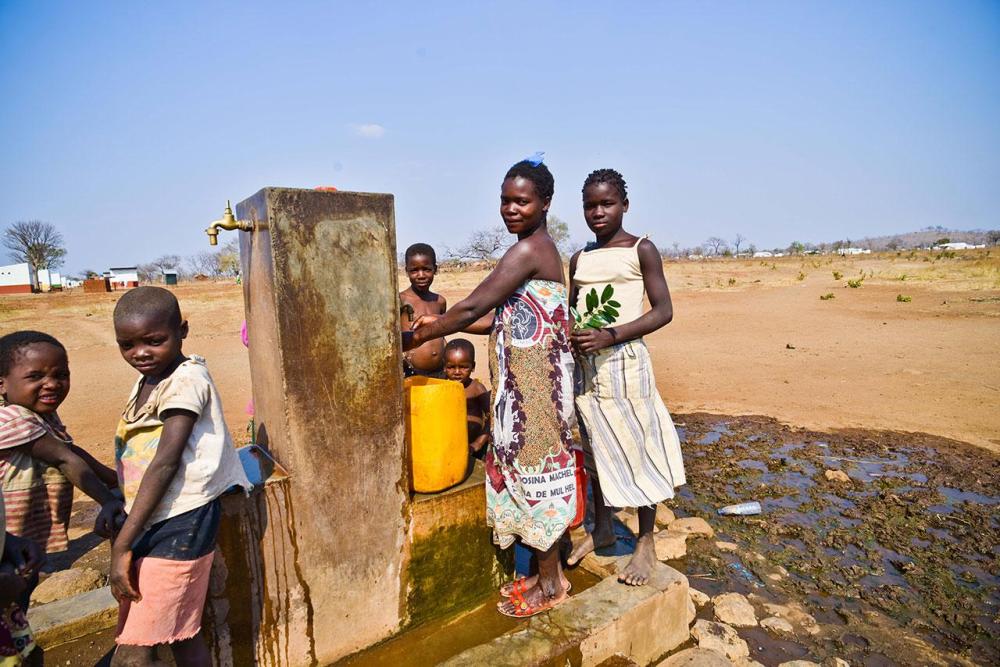
Vale installed water pumps in Cateme to address the lack of natural water sources in the area and reduce the amount of time they spent gathering water. But in the first two years after resettlement, the pumps sometimes fell into disrepair and households had insufficient quantities of water. © 2013 Samer Muscati/Human Rights Watch 392562
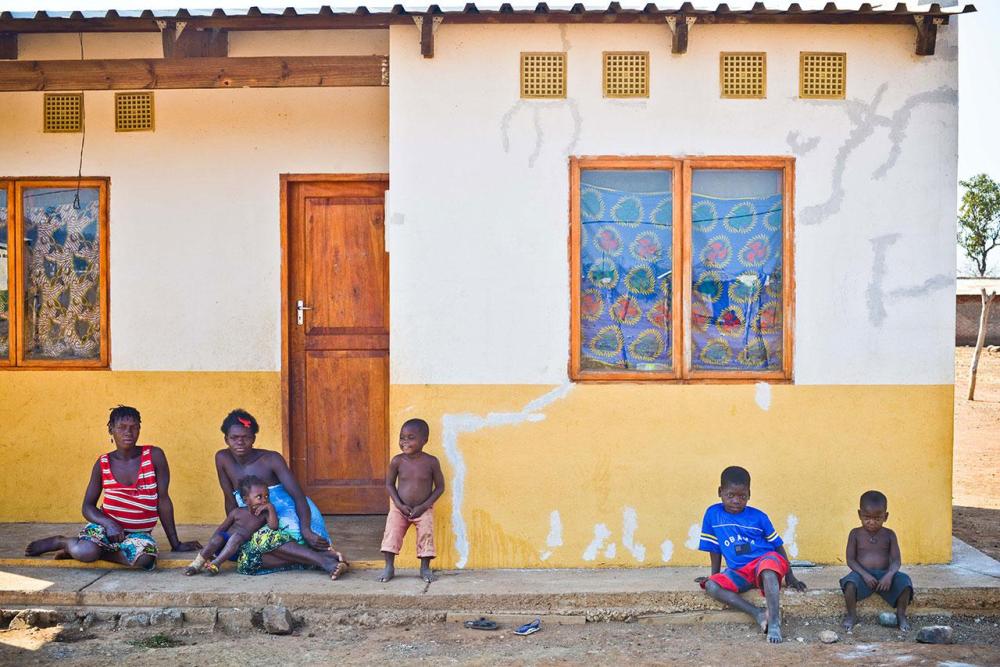
Compensation packages for resettled households included a new house made with bricks, cement, a zinc roof, and separate structures for a kitchen, toilet, and storage for crops. Poor quality construction by the company contracted by Vale in Cateme led to cracks in the walls of many houses and leaks from both the roof and floor when it rained. © 2013 Samer Muscati/Human Rights Watch 392562
During the initial building phase in 2010, Vale changed the agreed-upon design of the new houses to a model with no foundation to hasten construction. Upon complaints by the resettled households, Vale began to repair all the houses in Cateme and 25 de Setembro in 2012, including by adding a foundation. © 2013 Samer Muscati/Human Rights Watch 392562
Malosa C. and her family outside their new home in Mwaladzi, in front of their empty storage for maize. People resettled to Mwaladzi told Human Rights Watch that they received a major shock and disruption to their livelihoods and are still struggling to re-establish their self-sufficiency. Mining company officials have acknowledged the marginal quality of the land and poor access to water in the new community. The government has awarded so much land for mining licenses in Tete province that there are few options for viable resettlement areas. © 2013 Samer Muscati/Human Rights Watch 392562
In Vale’s “urban” resettlement area of 25 de Setembro, several female-headed households live in the kitchens of the houses they were provided while renting the main house to buy food. Residents received no farmland as they were expected to earn their living in other ways. Fatima S. said that she and her six children live and sleep in the small confines of her kitchen. © 2013 Samer Muscati/Human Rights Watch 392562
The farmland provided to Senolia S., upon her resettlement to Cateme, was reclaimed by its original cultivators. She did not receive any replacement land or additional assistance and finally scraped enough money together to rent a plot of rocky, untilled land. © 2013 Samer Muscati/Human Rights Watch 392562
Many people resettled to make way for Vale and Rio Tinto's international coal mining operations in Tete province, Mozambique no longer have access to arable land for farming, or other ways to make a living.
Region / Country
Africa
Mozambique
Topic
Women's Rights
Related Content
Africa
May 23, 2013
Video
Mozambique: Protect the Rights of Farmers Resettled for Coal Mines